Losing someone we love is one of life's most profound experiences. When that person followed the Buddhist path, honouring their beliefs through the funeral and mourning process can bring deep comfort — both to those who have passed and to the family and friends they leave behind.
Buddhism is one of the UK's most practised non-Christian faiths. According to the 2021 Census for England and Wales, around 273,000 people identified as Buddhist — and the true number of those influenced by Buddhist practice and philosophy is considerably higher. With such a diverse community, Buddhist funerals in the UK encompass a rich variety of traditions, from the quiet stillness of a Zen ceremony to the vibrant, prayerful farewell of a Tibetan Buddhist service.
This guide covers everything families need to know: the beliefs that shape a Buddhist funeral, the rituals involved, the differences between traditions, practical UK legal requirements, costs, and how to find the right support when arranging a respectful and meaningful service.
Buddhist Views on Death and Rebirth
At the heart of Buddhist teaching is the understanding that death is not an ending but a transition. The consciousness — or mindstream — continues beyond the physical body, shaped by the accumulated karma of this and previous lives. Most Buddhist traditions believe in rebirth: the process by which the consciousness takes a new form, moving ever closer (through spiritual practice and right living) towards nirvana — liberation from the cycle of suffering and rebirth.
This understanding profoundly shapes the Buddhist approach to death. Rather than viewing a funeral solely as a sorrowful conclusion, many Buddhists see it as a crucial period of spiritual support — a time when the prayers, chanting, and meditation of the living can genuinely help the consciousness of the deceased navigate the transition and find a fortunate rebirth.
Because of this, the period immediately following death is considered especially significant. Families are often encouraged to create a calm, peaceful environment around the body and to avoid displays of intense grief that might disturb the departing consciousness.
UK Legal Requirements: What Families Must Do First
Whatever the tradition, there are important legal steps that must be completed before a Buddhist funeral can take place in England, Wales, Scotland, or Northern Ireland. These requirements apply to all deaths, regardless of faith.
Registering the Death
In England and Wales, a death must be registered within five days of the death occurring (unless referred to a coroner). In Scotland, the requirement is also five days; in Northern Ireland, it is five days from the date of death. Registration is done at the local Register Office, and you will need the Medical Certificate of Cause of Death issued by the attending doctor. Until the death is formally registered, a burial or cremation cannot legally take place.
Once registered, the registrar will issue a Certificate for Burial or Cremation (the green form) or, if the death has been referred to the coroner, an order will be issued once the coroner's process is complete. Your funeral director will guide you through this, but it is important to act promptly — particularly in Buddhist traditions where the timing of ceremonies in the days following death is spiritually significant.
Timelines for Burial and Cremation
There is no fixed legal deadline for how quickly a burial or cremation must take place after registration — but in practice, most Buddhist families aim to hold the funeral within a week where possible, particularly in Theravada and Chinese Mahayana traditions. Some Tibetan Buddhist families may wait longer to allow for specific ceremonial timings. Your funeral director can advise on crematorium and burial ground availability and help you balance legal, logistical, and spiritual considerations.
The Different Buddhist Traditions — and Why It Matters
Buddhism is not a single, uniform religion. There are several major traditions practised in the UK, each with its own customs and emphases. Understanding which tradition the deceased followed is the most important first step when arranging a Buddhist funeral.
Theravada Buddhism
The oldest surviving school of Buddhism, Theravada is most closely associated with Sri Lanka, Thailand, Myanmar, and Cambodia. There are significant Theravada communities across the UK, particularly in London, Birmingham, and other major cities. Theravada funerals typically involve monks chanting suttas (scriptural texts) in Pali — the ancient language closest to that spoken by the Buddha himself. Monks may be invited to the home of the deceased, to the funeral home, and to the crematorium or burial ground. White is the traditional colour of mourning.
Mahayana Buddhism
Mahayana encompasses many traditions including Zen (Japanese), Pure Land (Chinese and Japanese), and Korean Seon Buddhism. Chinese Buddhist communities — one of the largest Buddhist groups in the UK — often follow Mahayana practices. Funerals may involve chanting the name of Amitabha Buddha (the Buddha of Infinite Light) to guide the deceased towards the Pure Land. Ceremonies can be elaborate, with incense, offerings of flowers and fruit, and a period of chanting lasting several hours or even days. The funeral may take place over multiple days, with the body lying in state at home or at the temple.
Tibetan (Vajrayana) Buddhism
The Tibetan tradition, sometimes called Vajrayana, has a particularly rich and detailed approach to death informed by texts such as the Bardo Thodol — commonly known in the West as the Tibetan Book of the Dead. This text describes the stages of consciousness after death (bardos) in great detail, and lamas (teachers) may read from it to guide the deceased's consciousness through these stages.
The 49-day mourning period is especially significant in Tibetan Buddhism. It is believed that the consciousness of the deceased passes through a series of transitional states over 49 days before taking rebirth. Specific ceremonies are traditionally performed at key intervals:
- Day 7: The first major ceremony, often involving chanting, offerings, and prayers led by a lama. It is believed the consciousness undergoes a significant transition at this point.
- Day 14, 21, 28, 35, 42: Further weekly ceremonies to continue supporting the deceased's journey.
- Day 49: The final and most important ceremony, marking the completion of the bardo journey and the moment of rebirth. This is often a larger gathering, with extended prayers and offerings.
Families who are not part of an established Tibetan Buddhist community can still observe these traditions — see the section below on finding a lama or teacher in the UK.
Western and Secular Buddhist Traditions
Many Buddhists in the UK have come to the faith through Western convert communities such as the Triratna Buddhist Community (formerly the Friends of the Western Buddhist Order). These communities may blend elements from multiple traditions and are often more flexible in their approach to funeral ceremonies, incorporating both Buddhist practices and more familiar Western customs. If the deceased was a member of a local Buddhist centre or sangha (community), that community will usually be the first and most helpful point of contact.
Core Buddhist Funeral Rituals and Customs
The Period Immediately After Death
In many Buddhist traditions, it is preferable for the body not to be moved or touched for a period after death — sometimes several hours — to allow the consciousness to depart peacefully. Where possible, families may wish to discuss this with medical staff and their funeral director in advance. NAFD-accredited funeral directors are experienced in accommodating such wishes with sensitivity and respect.
During this period, it is common to:
- Keep the environment calm and quiet
- Chant or play recordings of Buddhist prayers and sutras
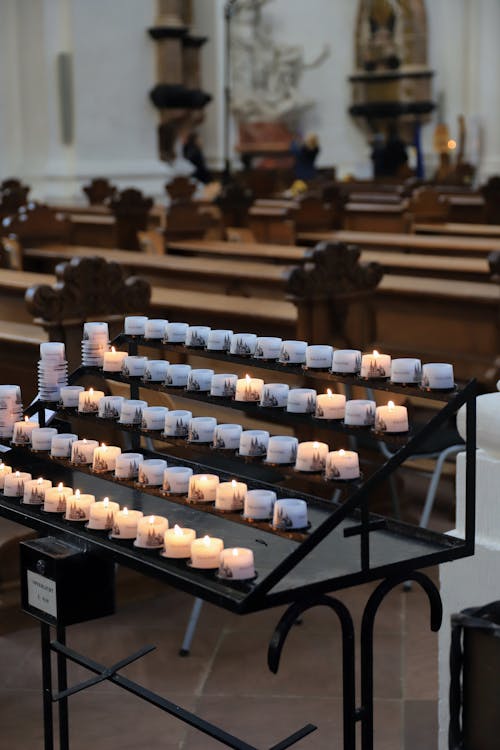
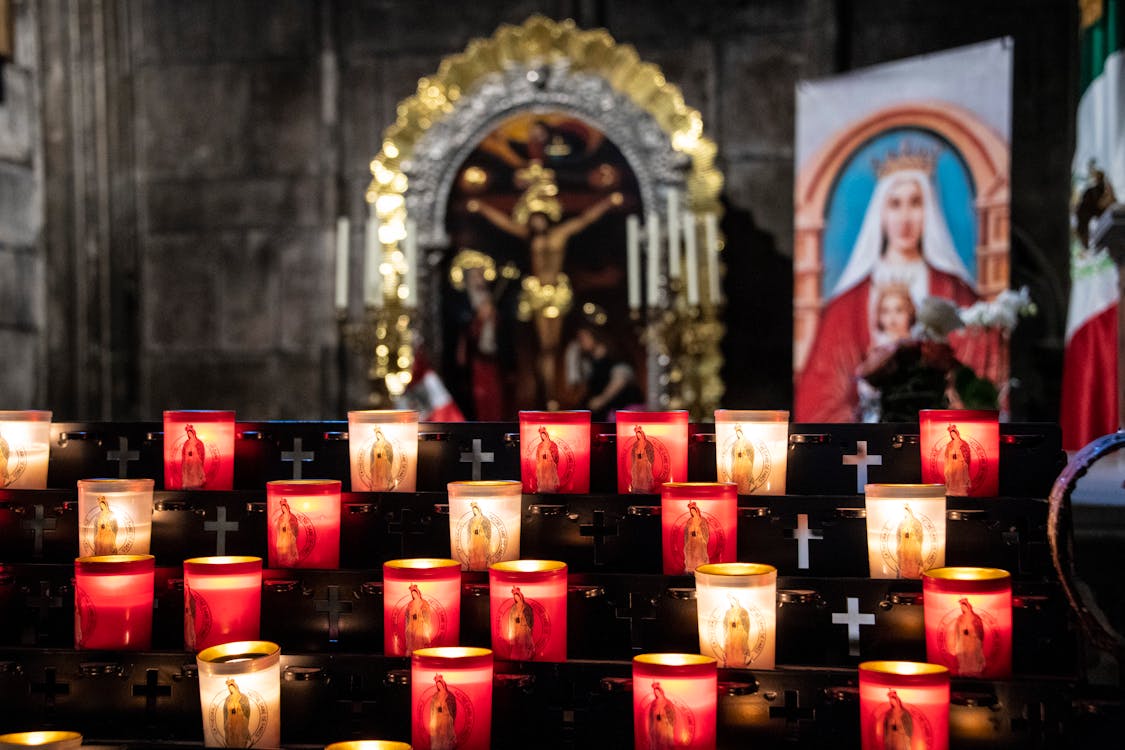
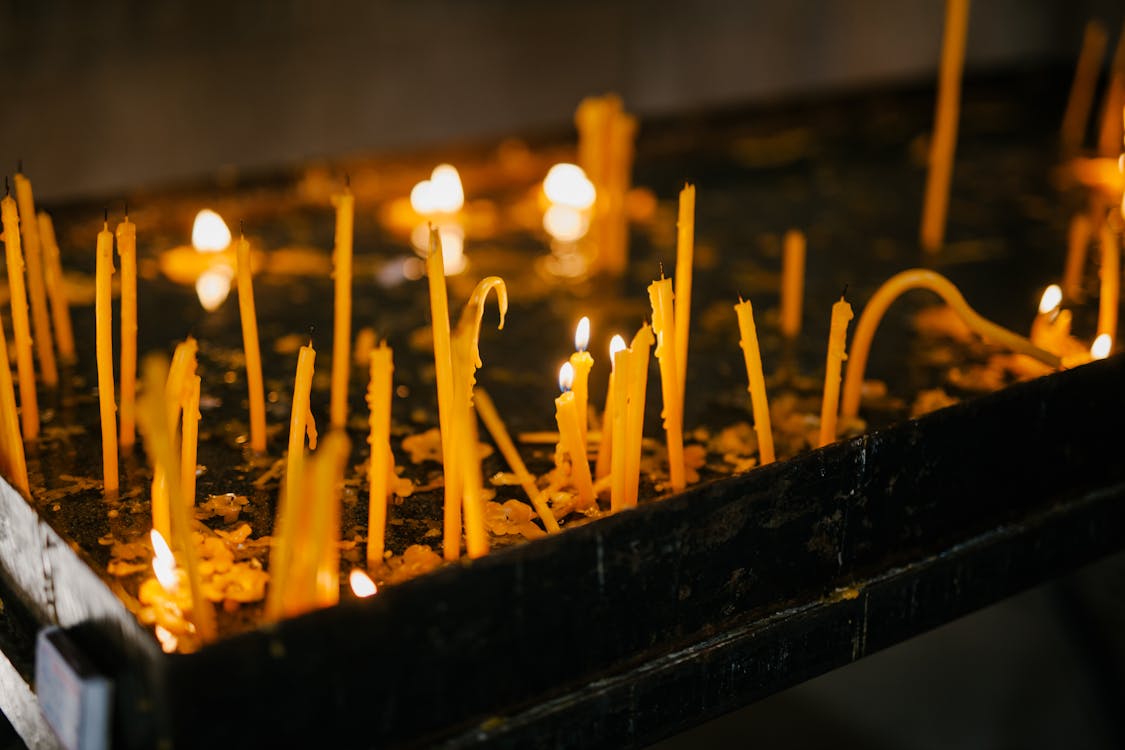
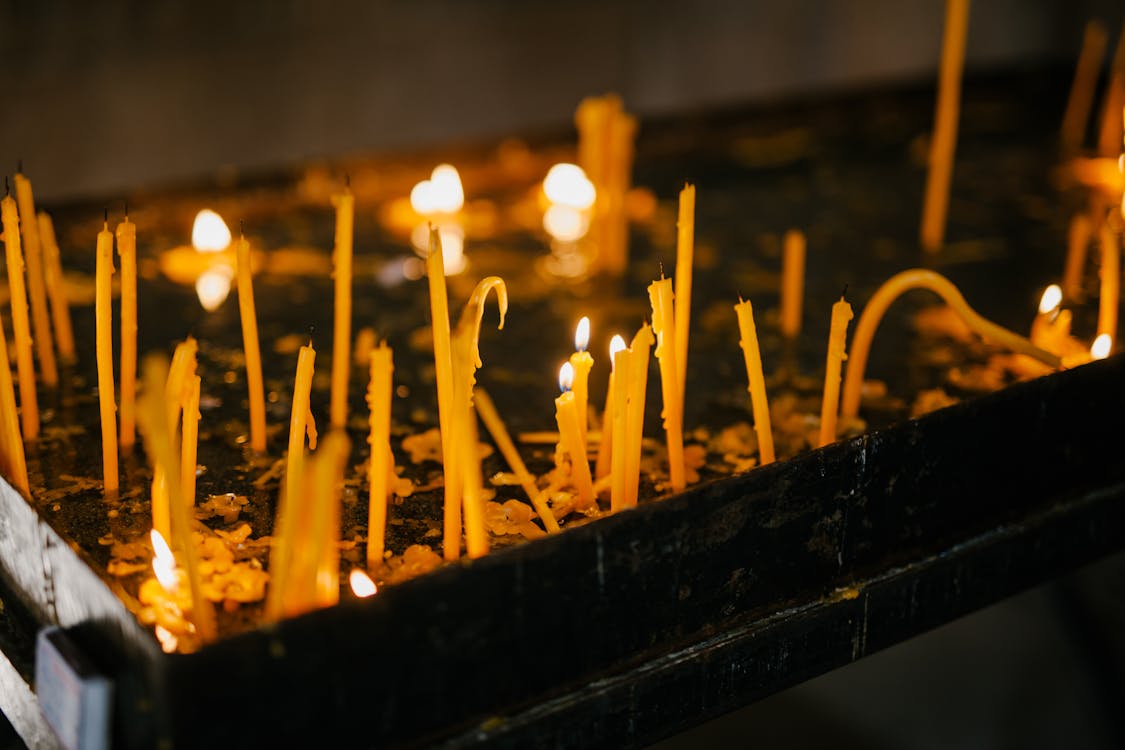
- Light incense and candles (where permitted by the care setting)
- Avoid weeping loudly or expressing intense grief near the body
- Invite a monk, nun, or respected teacher to be present or to lead prayers
Chanting and Meditation
Chanting is central to almost all Buddhist funeral traditions. The specific texts vary by tradition — Pali suttas in Theravada, Amitabha chants or the Heart Sutra in Mahayana, Bardo Thodol readings in Tibetan Buddhism — but the purpose is consistent: to generate merit, to calm the mind of both the deceased and the mourners, and to support the consciousness of the deceased during its transition.
Periods of silent meditation are also common, particularly in Zen and Western Buddhist traditions. These moments of collective stillness can be profoundly moving for mourners of all backgrounds and beliefs.
Offerings and the Altar
Most Buddhist funeral ceremonies include an altar or shrine near the body or the coffin. This typically features:
- A photograph of the deceased
- A statue or image of the Buddha
- Offerings of flowers, fruit, and water
- Incense and candles
- In some traditions, food offerings
The altar serves as a focus for prayer and as a symbolic expression of respect and devotion.
The Role of Monks, Nuns, and Lamas
In Theravada and most Mahayana traditions, monks (and sometimes nuns) play a central role in the funeral ceremony. They chant scriptures, offer blessings, and lead the mourners in meditation and prayer. In Tibetan Buddhism, a lama (a qualified teacher or spiritual guide) performs specific rituals to help the consciousness of the deceased navigate the bardo states.
Monks and lamas can attend the funeral home, the crematorium or burial ground, and the family home. It is important to liaise with your funeral director and the crematorium or burial ground in advance to confirm that chanting, incense, and the presence of robed religious figures are accommodated. In the UK, most crematoria are experienced in facilitating multi-faith services and will work constructively with families — but early communication is essential.
Buddhist Cremation: Why It Is the Preferred Choice
Buddhist cremation is by far the most common choice across all Buddhist traditions, and its prevalence is no accident. The Buddha himself was cremated, and cremation aligns naturally with core Buddhist teachings on impermanence (anicca) — the understanding that all conditioned phenomena, including the physical body, are transient and subject to change and dissolution. Cremation makes this truth visible and immediate, and for many Buddhists it is the most honest and appropriate way to return the body to the elements.
In practice, Buddhist cremation services in the UK are usually held at a local crematorium. Families can personalise the service significantly:
- Chanting and sutra readings can take place in the chapel
- Monks or lamas can lead the ceremony in robes
- Incense may be permitted in the chapel (confirm with the crematorium in advance)
- A period of silent meditation can be incorporated
- The committal — the moment the coffin is moved towards the cremator — can be accompanied by specific prayers or chanting
Following cremation, the ashes (relics or sharira in some traditions) may be treated with particular reverence. Some families scatter ashes in a meaningful location — a garden, a river, or the sea. Others inter them in a cemetery or memorial garden, or keep them at home on a shrine. In some Chinese Buddhist traditions, the ashes are kept for a period before being interred.
Burial as an Alternative
While cremation is predominant, some individual Buddhists — particularly those from certain Chinese, Vietnamese, or Korean communities, or those with specific personal or family preferences — may choose burial instead. There is no Buddhist doctrinal prohibition on burial, and the choice ultimately reflects the wishes of the deceased and their family. Natural burial (green burial) is also chosen by some Buddhists as an expression of environmental values and the teaching of interconnectedness with the natural world.
If burial is chosen, the same considerations apply regarding the presence of monks, chanting, and ceremony at the graveside. A specialist NAFD funeral director can help you identify cemeteries and natural burial grounds that will accommodate Buddhist requirements.
Arranging a Buddhist Funeral in the UK: Practical Steps
- Register the death at your local Register Office within five days of the death. You will need the Medical Certificate of Cause of Death from the attending doctor.
- Contact a funeral director as soon as possible. Choose one who is experienced with Buddhist families and multi-faith services. All NAFD-accredited funeral directors adhere to a strict Code of Practice and are experienced in accommodating religious and cultural requirements.
- Identify the tradition the deceased followed — Theravada, Mahayana, Tibetan, or a Western Buddhist community — as this will determine the form of the ceremony and the kind of officiant needed.
- Contact a monk, nun, or lama (see guidance below) to discuss their involvement in the ceremony.
- Liaise with the crematorium or burial ground through your funeral director about specific requirements: chanting, incense, timing, and any special requests.
- Plan the ceremony with your officiant and funeral director, including readings, chanting, periods of meditation, and any cultural customs specific to the family's tradition.
- Notify family and friends and let them know what to expect, particularly if some attendees are unfamiliar with Buddhist customs.
- Plan for the mourning period — particularly for Tibetan Buddhist families observing the 49-day practice, arrange the regular ceremonies with a lama as soon as possible.
How to Find a Buddhist Monk, Nun, or Officiant in the UK
If the deceased was a member of a local Buddhist temple or sangha, that community should be your first point of contact. They will know the family's tradition, may have an established relationship with the deceased, and will be best placed to provide the appropriate support and ceremony.
If there is no existing connection, the following organisations can help:
- The Buddhist Society (londondharma.org) — one of the UK's oldest Buddhist organisations, with links to teachers across many traditions
- Amaravati Buddhist Monastery (Hertfordshire) — a major Theravada monastery with monks and nuns who can support families
- Kagyu Samye Ling (Scotland) — the UK's oldest Tibetan Buddhist centre, able to provide lamas and ceremonial support
- Rigpa UK — a Tibetan Buddhist organisation with centres across the UK, experienced in end-of-life and funeral support
- Fo Guang Shan Temple (London) — a major Chinese Mahayana Buddhist temple
- The Triratna Buddhist Community — with centres across the UK, for those in Western convert Buddhist communities
- The Network of Buddhist Organisations (NBO) — a UK-wide umbrella body that can help families find their nearest appropriate Buddhist community
Your funeral director may also have established contacts with local Buddhist teachers and can often assist in making introductions.
What to Expect at a Buddhist Funeral Service
Buddhist funeral services vary significantly by tradition, but most share a common shape. Here is what attendees can generally expect:
- Arrival: Mourners may be invited to view the body and pay their respects at an altar or shrine before the formal ceremony begins.
- Opening: A monk, nun, lama, or officiant opens the ceremony, often with a period of chanting or silent meditation.
- Readings and reflections: Passages from Buddhist scriptures may be read or chanted. In Western Buddhist communities, personal tributes are often included alongside dharma readings.
- Chanting: A sustained period of communal chanting, either led by monastics or by the whole congregation. Attendees unfamiliar with the chants need not participate — respectful, quiet presence is entirely appropriate.
- Meditation: Some services include a period of guided or silent meditation.
- Committal: At a crematorium, the coffin is committed during a final prayer or chant. At a burial, the coffin is lowered into the grave.
- After the service: It is common to share refreshments. In some traditions, vegetarian food is served as an expression of compassion for all sentient beings.
What to Wear to a Buddhist Funeral
Dress codes for Buddhist funerals vary by tradition and community:
- Theravada traditions: White is the traditional colour of mourning in Sri Lankan, Thai, and Burmese communities. Mourners may be asked to wear white or light colours.
- Chinese Mahayana traditions: White or black are both acceptable. Avoid red, which is associated with celebration and good fortune.
- Tibetan Buddhist traditions: Subdued colours — white, grey, navy, or black — are appropriate. Some Tibetan communities also use white.
- Western Buddhist communities: Smart, respectful clothing in muted tones is appropriate. When in doubt, black is universally acceptable.
If you are unsure, it is always appropriate to contact the family and ask. They will appreciate your consideration.
Flowers and Gifts: Etiquette for Attendees
Flowers are widely welcomed at Buddhist funerals and are a meaningful offering. White flowers — chrysanthemums, lilies, and lotus flowers in particular — are most appropriate across all traditions. Avoid brightly coloured or celebratory arrangements.
In some Chinese and Vietnamese Buddhist traditions, it is customary to give a small monetary gift in a white envelope to help cover funeral costs. This is a practical expression of support and is always gratefully received.
Donations to a Buddhist charity or to a cause supported by the deceased are also a thoughtful alternative to flowers. The family may specify their preferences in the funeral notice.
Food offerings — particularly fruit — may be brought for the altar in some traditions. If you wish to do this, ask the family in advance.
Guidance for Non-Buddhist Attendees
If you are attending a Buddhist funeral and are unfamiliar with the tradition, you are warmly welcome. You do not need to be a Buddhist, and you will not be expected to participate in chanting or rituals if you are not comfortable doing so. Here is how to navigate the service respectfully:
- Arrive on time and follow the lead of the family and officiants.
- Bow respectfully when entering the room or approaching the altar or coffin — this is a gesture of respect, not a religious act.
- During chanting, remain quiet and still. You may follow along with any written sheets provided, or simply sit or stand respectfully.
- During meditation, sit quietly with eyes lowered. You do not need to meditate formally — stillness and respectful presence is all that is asked.
- Silence your phone and avoid any behaviour that might disturb the peace of the ceremony.
- Follow the family's lead regarding bowing, offerings, and any other ritual gestures.
- After the service, offering condolences to the family is always welcome. A simple expression of sympathy is entirely appropriate.
Buddhist Funeral Costs in the UK
The cost of a Buddhist funeral in the UK varies depending on the type of service, the location, and the tradition involved. Here is a general guide to help families plan:
Direct Cremation
A direct cremation — where the body is cremated without a formal funeral service — is the most affordable option, typically costing between £1,000 and £1,800 across the UK. Families may then hold a separate memorial ceremony at a temple, Buddhist centre, or home at a time of their choosing. This option is increasingly popular among Western Buddhist communities.
Simple Funeral with Cremation
A simple cremation funeral with a short service at the crematorium typically costs between £2,500 and £4,500, depending on the region and funeral director. This includes the funeral director's professional fees, the coffin, transportation of the deceased, and crematorium fees. It does not include the cost of a monk or officiant, flowers, or a reception.
Full Traditional Buddhist Funeral
A more elaborate Buddhist funeral — including multiple days of chanting, a full ceremony at a temple or funeral home, a professional officiant, and a reception — can cost between £4,000 and £10,000 or more, depending on the scale and the specific requirements of the tradition.
Additional Costs to Consider
- Monk or lama fees: Monastic communities do not typically charge a set fee, but a donation (dana) is expected and should reflect the time and travel involved. Discuss this sensitively with the community.
- Temple or hall hire: If a Buddhist centre or temple is used, there may be a hire charge.
- 49-day ceremonies (Tibetan tradition): Each ceremony will involve a further donation to the officiant. Budget for this over the full mourning period.
- Burial costs: A burial plot and burial fees typically add £1,500 to £5,000 or more to the overall cost, depending on the cemetery and location.
Use the NAFD funeral cost calculator to get an indication of costs in your area, and ask your funeral director for a clear, itemised estimate before proceeding.
Finding a Buddhist-Friendly Funeral Director
Not all funeral directors have experience with Buddhist funerals, so it is worth asking specific questions when you make your first call. A good Buddhist-friendly funeral director will:
- Have experience with multi-faith and Buddhist services
- Be willing to accommodate requests around timing of the removal of the body
- Be able to facilitate chanting and incense at the funeral home and at the crematorium
- Have contacts with local Buddhist communities or be willing to work alongside a monk, nun, or lama you have independently arranged
- Offer a clear, transparent, itemised price list
All members of the National Association of Funeral Directors (NAFD) are bound by a strict Code of Practice that requires them to treat every family with dignity and respect, regardless of faith or cultural background. They are also monitored regularly to ensure compliance, giving families genuine peace of mind. If a dispute arises, the independent Funeral Arbitration Scheme provides a free and impartial resolution service.
Find an NAFD-accredited funeral director near you and ask about their experience with Buddhist funerals when you call.
A Final Word
Buddhist teaching reminds us that death is a natural part of existence — not something to be feared or avoided, but to be met with clarity, compassion, and care. Arranging a funeral that honours the path the deceased walked is one of the most loving things a family can do in the days after a death.
Whether you are planning a simple, quiet ceremony or a full traditional service with monks and days of chanting, the most important thing is that the arrangements feel true to the person you have lost and bring comfort to those who loved them.
If you need support, the NAFD's network of accredited funeral directors is here to help — with experience, compassion, and a genuine commitment to getting things right for your family.