Cremation and Burial in the UK: An Overview
One of the first decisions families must make when arranging a funeral is whether to choose cremation or burial. This choice is deeply personal and may be influenced by the deceased's wishes, religious beliefs, family traditions, cost, and environmental values. There is no universally right answer, but understanding the differences clearly will help you make the decision that is right for your family.
According to the Cremation Society of Great Britain, cremation now accounts for approximately 77% of all UK funerals — one of the highest rates in the world. This proportion has risen steadily since cremation was first legalised in England and Wales under the Cremation Act 1884.
What Is Cremation?
Cremation is the process of reducing the body to ashes through intense heat in a purpose-built furnace (called a retort) at a crematorium. A cremation typically takes two to three hours at temperatures between 870°C and 980°C. The resulting bone fragments are then processed into the fine ash-like material commonly referred to as "ashes" (technically called cremated remains).
In the UK, cremation is strictly regulated under the Cremation (England and Wales) Regulations 2008 and equivalent legislation in Scotland and Northern Ireland. Multiple statutory forms must be completed before a cremation can take place — including medical certificates confirming the cause of death — as cremation is irreversible.
What Happens at a Cremation Service?
A cremation service follows the same format as any other funeral service. The service is typically held in the crematorium chapel, which is a non-denominational space accommodating services of all faiths and no faith. The service lasts around 30–45 minutes (though longer slots can be booked), and the coffin is present throughout. At the committal — the end of the service — the coffin either passes through a curtain or the mourners leave while the curtain closes, and the coffin is later moved to the cremator.
Families have the option to witness the coffin entering the cremator if they wish, which some find helpful as part of their grieving process. This must be arranged in advance with the funeral director and crematorium.
What Happens to the Ashes?
Cremated remains are typically ready for collection within 3–5 days of the cremation. They are returned to the family in a sealed container or urn. Families have a wide range of options for what to do with ashes:
- Scatter – in a meaningful location such as a garden, park, river, or at sea. Scattering on private land requires the landowner's permission. Some locations (such as national parks) have specific rules.
- Bury – in a cemetery grave (you do not need to purchase a new plot), in a churchyard, or in a dedicated cremation memorial garden
- Keep at home – in an urn, which has no legal restriction in the UK
- Divide – ashes can legally be divided among family members
- Memorial products – ashes can be incorporated into jewellery, glass art, or memorial diamonds
What Is Burial?
In a burial, the deceased is interred in a coffin (or a shroud in the case of a natural burial) in a grave. Burials take place in local authority cemeteries, private cemeteries, churchyards, and natural burial grounds. The burial service may be held at a church or chapel before the committal at the graveside, or the service can take place entirely at the graveside.
Burial in the UK provides a permanent physical resting place, which many families find important for their own grieving and for future generations to visit.
Types of Burial
There are several burial options available in the UK:
- Cemetery burial – the most common option, in a local authority or private cemetery. You purchase a grave space (exclusive right of burial) for a set period, typically 25–100 years.
- Churchyard burial – burial in the grounds of a church. All Church of England parishioners have a legal right to be buried in their local churchyard, space permitting.
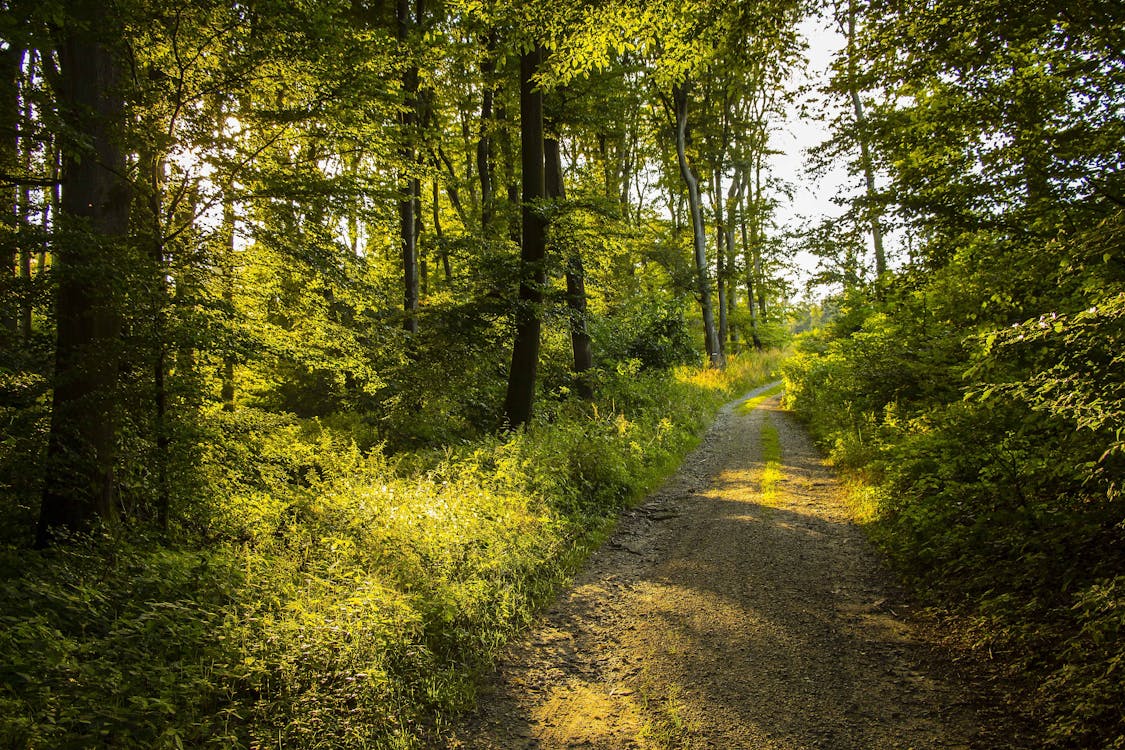
- Natural or green burial – burial in a woodland or meadow setting, typically in a biodegradable coffin or shroud, without a conventional headstone. Natural burial sites are growing rapidly in number across the UK.
- Home burial – it is legal to bury on private land in England and Wales, though this comes with specific requirements and significant practical considerations for future property sales.
Cost Comparison: Cremation vs Burial
Cost is one of the most significant practical differences between cremation and burial. As a general rule, cremation is considerably cheaper than burial in the UK, primarily because burial requires the purchase of a grave plot in addition to the funeral director's fees.
| Cost Element | Cremation | Burial |
|---|---|---|
| Funeral director fees | £2,000–£2,600 | £2,000–£2,600 |
| Cremation / burial fee | £950–£1,100 | £1,200–£4,000+ |
| Gravestone / memorial | N/A (urn optional) | £700–£3,000+ |
| Typical total range | £3,000–£4,500 | £4,000–£8,000+ |
Burial costs in London and the South East can be substantially higher, with some London borough grave plots exceeding £10,000. For families on a limited budget, see our guide to planning a funeral on a budget.
For the most affordable option, see our guide to direct cremation, which typically costs £895–£1,500.
Environmental Considerations
Environmental impact is an increasingly important factor in funeral decisions. Neither traditional cremation nor traditional burial is without environmental consequence.
Environmental Impact of Cremation
A single cremation releases approximately 160–400kg of CO₂ into the atmosphere, depending on the efficiency of the cremator and the size of the coffin. The Cremation Society notes that UK crematoria have invested significantly in filtration technology to reduce mercury emissions from dental fillings and to recover heat energy from the process. Some crematoria now offer resomation (alkaline hydrolysis), a water-based alternative to flame cremation that produces significantly lower CO₂ emissions.
Environmental Impact of Burial
Traditional burial uses land permanently, requires a coffin that may take decades to biodegrade, and may involve embalming chemicals that can leach into the soil. By contrast, natural burial in a biodegradable coffin or shroud, without embalming, has a very low environmental impact and can contribute to the restoration of natural habitats.
For the most environmentally conscious families, a natural burial is widely considered the best option. The Natural Death Centre maintains a directory of natural burial grounds across the UK.
Religious and Cultural Considerations
Religion and cultural tradition often play a decisive role in the choice between cremation and burial:
- Islam – burial is required as soon as possible after death (ideally within 24 hours). Cremation is prohibited.
- Orthodox Judaism – burial is required; cremation is not permitted. Traditional Jewish burial avoids embalming and uses simple wooden coffins.
- Sikhism – cremation is the traditional Sikh practice.
- Hinduism – cremation is the traditional practice, ideally on a funeral pyre (though in the UK, crematoriums are used). The ashes are traditionally scattered in a sacred river.
- Christianity – both cremation and burial are accepted by the Roman Catholic Church (since 1963), Church of England, and most Protestant denominations, with burial traditionally preferred but cremation fully permissible.
- Buddhism – cremation is common in Buddhist tradition, though burial is also accepted.
- No religion – with no religious requirement, the choice is entirely personal and practical.
Practical Differences on the Day
From a practical standpoint, both a cremation service and a burial service can be personalised in similar ways — with music, readings, eulogies, and whatever elements the family chooses. There are some differences worth knowing:
- Cremation services are typically time-limited — most crematoria allow 30–45 minute slots. Additional time can often be purchased.
- Burial services are generally more flexible in terms of duration at the graveside.
- A burial provides a permanent, fixed location where family can visit. With cremation, this depends entirely on what is done with the ashes.
- Coffins for cremation must meet specific materials requirements (no metal fittings that cannot pass safely through the cremator).
Making the Decision
The most important factor is whether the deceased left any expressed wishes — either in a will, a pre-paid funeral plan, or verbally to family members. If no wishes are known, the next of kin has the legal right to decide. According to the National Association of Funeral Directors, the vast majority of families who choose cremation over burial cite cost, simplicity, and the flexibility in handling ashes as their primary reasons.
For families torn between the two options, it is worth knowing that there is no obligation to make the entire funeral fit one template — a cremation can still be followed by a burial of ashes, a full church service, or any combination of elements that feels meaningful.
This guide is provided by the National Association of Funeral Directors (NAFD), which represents funeral directing businesses conducting over 80% of all UK funerals. Find a trusted NAFD funeral director near you.