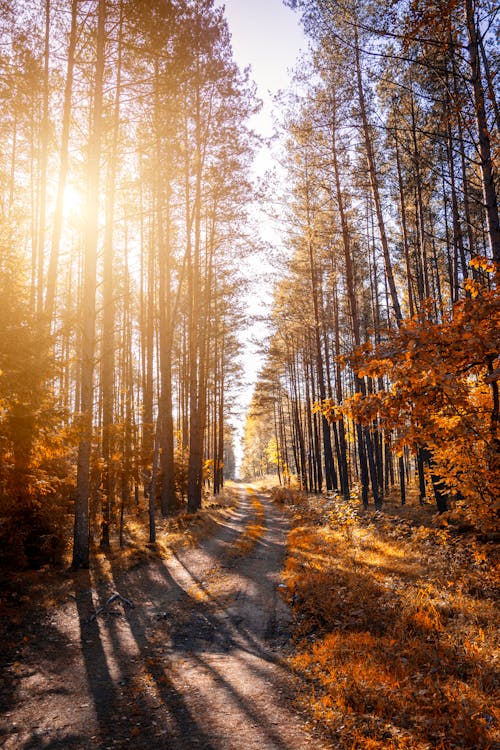
More families than ever are choosing to say goodbye in a way that reflects their loved one's values — and for many, that means making choices that are kinder to the planet. A sustainable funeral is no longer a niche or unconventional request. In 2026, green funerals are firmly part of the mainstream, offered by funeral directors right across the UK and increasingly requested by people planning their own arrangements in advance.
This guide covers everything you need to know: the different types of eco coffin available, how costs compare to traditional options, what happens at a natural burial, and how to find a funeral director who can genuinely help you create a meaningful, low-impact farewell.
Why Choose a Sustainable Funeral?
A traditional funeral — including embalming, a hardwood or veneer-chipboard coffin, and a cremation or cemetery burial — carries a considerable environmental footprint. A single cremation produces roughly 160–200kg of carbon dioxide. Conventional coffins often contain glues, varnishes, and non-biodegradable materials. Even cut flowers are frequently imported, heavily packaged, and treated with pesticides.
Choosing a biodegradable coffin, a natural burial ground, and sustainably sourced flowers won't reverse climate change — but it does make a genuine difference, and for many families it brings real comfort to know the farewell honours the values the person lived by.
Types of Eco Coffin
The range of eco coffins available in the UK has grown enormously. Here is an honest overview of the most popular options:
Cardboard Coffins
Often the most affordable eco option, cardboard coffins are made from recycled or sustainably sourced corrugated board. They are fully biodegradable, surprisingly sturdy, and can be personalised with printed designs or hand-drawn artwork by family members — making them a touching, personal choice. Cardboard coffins are suitable for both burial and cremation.
Wicker Coffins
Hand-woven wicker coffins are one of the most popular sustainable choices in the UK. Typically made from willow, they are beautiful, natural in appearance, and biodegrade quickly in the ground. Willow is a fast-growing crop that absorbs carbon as it grows, making wicker a genuinely low-impact material. Some suppliers source their willow from UK growers, reducing transport emissions further.
Bamboo Coffins
Bamboo is one of the fastest-growing plants on earth — some species grow several feet per day — making it an exceptionally renewable material. Bamboo coffins are lightweight, strong, and have a natural, warm appearance. They biodegrade well in both burial and cremation settings.
Wool Coffins
A uniquely British option, wool coffins — sometimes called wool felt coffins — are made from compressed natural wool. They are fully biodegradable, have excellent insulating properties, and have a soft, dignified look. Some are produced using British wool, supporting UK farmers while minimising the carbon footprint of the product.
Banana Leaf and Seagrass Coffins
Woven from dried banana leaves or seagrass, these coffins offer a distinctive, natural aesthetic. They are completely biodegradable and tend to be lightweight. Seagrass is a particularly sustainable crop, requiring no fresh water or pesticides to grow. Both materials are well suited to natural burial grounds.
Shrouds
For the most minimal environmental impact, a simple burial shroud — typically made from organic cotton, linen, or wool — can be used in place of a coffin entirely, at many natural burial grounds. This is the oldest and most natural form of burial, and it is legal in the UK provided the body is adequately contained.
Eco Coffin Costs vs Traditional Coffins
One of the most common misconceptions is that eco coffins are significantly more expensive. In reality, many sustainable options are comparable in price to — or cheaper than — traditional wooden coffins.
- Cardboard coffins: Typically £100–£300, making them among the most affordable choices available.
- Wicker coffins: Usually £400–£900, depending on size and supplier.
- Bamboo coffins: Generally £500–£1,000.
- Wool coffins: Around £600–£1,200.
- Banana leaf / seagrass coffins: Typically £400–£800.
- Traditional veneered chipboard coffin: Often £800–£1,500 or more when included in a funeral package.
- Solid hardwood coffin: Can exceed £2,000–£3,500.
Prices vary between funeral directors, so it is always worth asking for an itemised quote. Under the Competition and Markets Authority (CMA) rules introduced in 2021, funeral directors are required to display a standardised price list, which should include coffin options. You can use our funeral cost calculator to get a clearer sense of overall costs in your area.
Natural Burial Grounds
A natural burial ground — sometimes called a woodland burial ground or green burial ground — is one of the most powerful ways to ensure a funeral has a low environmental impact. Rather than a conventional cemetery with stone memorials, natural burial grounds allow the body to return to the earth naturally, often in a woodland, meadow, or nature reserve setting.
What to Expect
- Graves are typically marked with a native tree, a wildflower planting, or a simple, biodegradable marker rather than a headstone.
- No embalming is permitted at most natural burial grounds (more on this below).
- Only biodegradable coffins or shrouds are accepted.
- The land is managed to encourage wildlife and natural habitats.
There are now over 270 natural burial grounds across the UK, operated by a variety of organisations including charities, private landowners, and local authorities. The Natural Death Centre maintains a searchable directory and can offer independent guidance.
Natural Burial Costs
Natural burial plot fees vary considerably depending on location and operator, but typically range from £800 to £2,500 — often less than a conventional cemetery plot in many parts of England, which can exceed £3,000 in some urban areas.
Avoiding Embalming
Embalming — the preservation of the body using formaldehyde-based chemicals — is not a legal requirement in the UK, although it is routinely offered or even performed as standard by some funeral directors. Formaldehyde is a known carcinogen and can leach into the soil, making it incompatible with natural burial.
If you are planning a green funeral, make clear to your funeral director that you do not wish for embalming to take place. Instead, the body can be kept cool using refrigeration. This is entirely safe and dignified for a period of several days, which is usually sufficient for arrangements to be made. Most NAFD-accredited funeral directors will be happy to accommodate this request and to explain what it means in practice.
Biodegradable Urns
For those choosing cremation, the choice of urn matters too. Traditional urns are typically made from metal, ceramic, or resin — none of which biodegrade. Biodegradable urns offer a genuinely green alternative and come in several forms:
- Water-soluble urns: Designed to dissolve when placed in a body of water, these are ideal for scattering ashes at sea or in a river (subject to the relevant permissions).
- Soil-biodegradable urns: Made from materials such as recycled paper, natural salt, or dried sand, these break down when buried — some incorporate a seed or sapling, growing into a plant or tree over time.
- Living urns / memorial trees: A growing number of companies offer urns that use the ashes to nourish a tree, either planted in a garden or in a dedicated woodland. This has become one of the most popular memorial choices in the UK.
Biodegradable urns typically cost between £30 and £200 — often less than a traditional ornamental urn.
Sustainable Flowers and Stationery
The environmental impact of a funeral extends beyond the coffin and burial method. A few additional choices can make a meaningful difference:
Flowers
- Choose seasonal, British-grown flowers where possible — ask your florist about the provenance of their blooms.
- Consider wildflower arrangements or potted plants that can be replanted after the service.
- Opt for arrangements without floral foam (oasis), which is made from non-biodegradable plastic microplastics and is a significant environmental concern in the floristry industry.
- Some families ask for charitable donations in lieu of flowers, which can reduce waste while supporting a cause meaningful to the person who has died.
Orders of Service and Stationery
- Choose recycled paper or seed paper (which can be planted after the service).
- Consider a digital order of service shared by email or QR code.
- Use vegetable-based or water-based inks where printing is required.
Carbon Offsetting for Funerals
Even the greenest funeral will generate some carbon emissions — from travel to the venue, from cremation, or from the production of materials. Some families choose to offset these emissions by making a donation to a verified carbon offset scheme, such as the Gold Standard or Verified Carbon Standard projects, which fund renewable energy, reforestation, or clean water initiatives.
While carbon offsetting is not a substitute for reducing emissions in the first place, it can be a meaningful way to acknowledge and address the remaining environmental impact of a funeral. Some specialist green funeral directors can help calculate an estimated carbon footprint and suggest appropriate offset schemes.
How to Find a Green Funeral Director
Not all funeral directors have the same experience with sustainable funerals, so it is worth asking specific questions before you proceed. Here is a practical checklist:
- Ask whether they offer a full range of eco coffins — cardboard, wicker, bamboo, and wool as a minimum.
- Ask about their embalming policy — can they guarantee no embalming takes place without your consent?
- Ask whether they work with natural burial grounds in your area and whether they have experience of arranging natural burials.
- Ask about biodegradable urns if cremation is planned.
- Ask for an itemised price list — you are entitled to one by law.
- Check for accreditation — NAFD-accredited funeral directors are independently monitored and adhere to a strict Code of Practice, giving you confidence that you are dealing with a professional who will respect your wishes.
You can find an NAFD-accredited funeral director near you using our directory, and filter by services offered to identify those with specific expertise in sustainable and green funerals.
Planning a Green Funeral in Advance
One of the kindest things you can do for your family is to record your wishes in advance. A pre-planned funeral — whether or not it is pre-paid — means your family will not have to make difficult decisions at an already distressing time. Write down your preferences for coffin type, burial or cremation, the name of any natural burial ground you have identified, and any other wishes such as flowers, music, or charitable donations.
Many funeral directors offer free advance planning consultations, and some specialise in helping people think through their green funeral wishes in detail. NAFD members are well placed to support these conversations sensitively and without any pressure to make immediate financial decisions.
A Final Word
A sustainable funeral is a genuine act of care — for the planet, for the community, and for the people left behind. Whether you choose a hand-woven wicker coffin, a woodland burial, or simply opt for seasonal flowers over imported ones, every choice matters. And approached with the right support, a green funeral can be every bit as dignified, personal, and beautiful as any other.
If you would like to explore sustainable funeral options, find an NAFD-accredited funeral director in your area today. Our members are experienced, compassionate, and ready to help you make choices that feel right — for your family and for the world your loved one cared about.