Losing someone you love is never easy. When that loss occurs within a Hindu family, the rituals and traditions surrounding death carry profound spiritual significance — offering comfort, structure, and a sacred pathway for the soul's journey onwards. Whether you are arranging a Hindu funeral for the first time, supporting a Hindu family, or simply wish to attend as a respectful guest, this guide explains everything you need to know.
The Significance of Death in Hinduism
In Hindu belief, death is not an ending but a transition — the soul (atman) departing the physical body on its continuing journey through cycles of birth, death, and rebirth (samsara). The ultimate aim is moksha: liberation from this cycle and union with the divine.
Because of this belief, the rituals surrounding death are not simply cultural formalities. They are considered spiritually essential — helping to release the soul from the physical world, honouring the life lived, and supporting the bereaved family through a structured period of mourning. Every element of the Hindu funeral rite, known as Antyesti (meaning "last rites" or "last sacrifice"), carries deep meaning.
What Happens Immediately After Death
Hindu tradition places great importance on actions taken in the immediate hours after a person dies. If possible, family members will wish to be present at the moment of death, so that sacred mantras can be recited and the dying person can pass in a spiritually supportive environment.
Preparing the Body at Home
Traditionally, the body is brought home after death (or the person passes at home) and laid on the floor — which symbolises a return to the earth. Family members, typically women, will wash and anoint the body with sacred substances such as water from the River Ganges (Ganga jal), sandalwood paste, or ghee. The body is then dressed in clean, often white clothing, or in the deceased's finest attire.
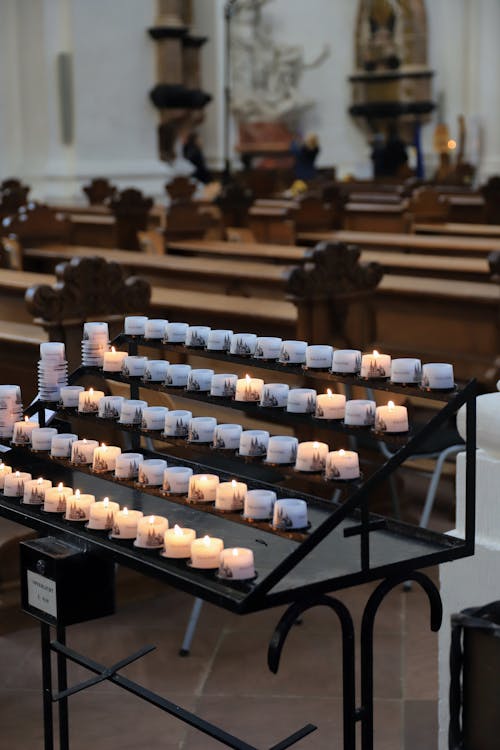
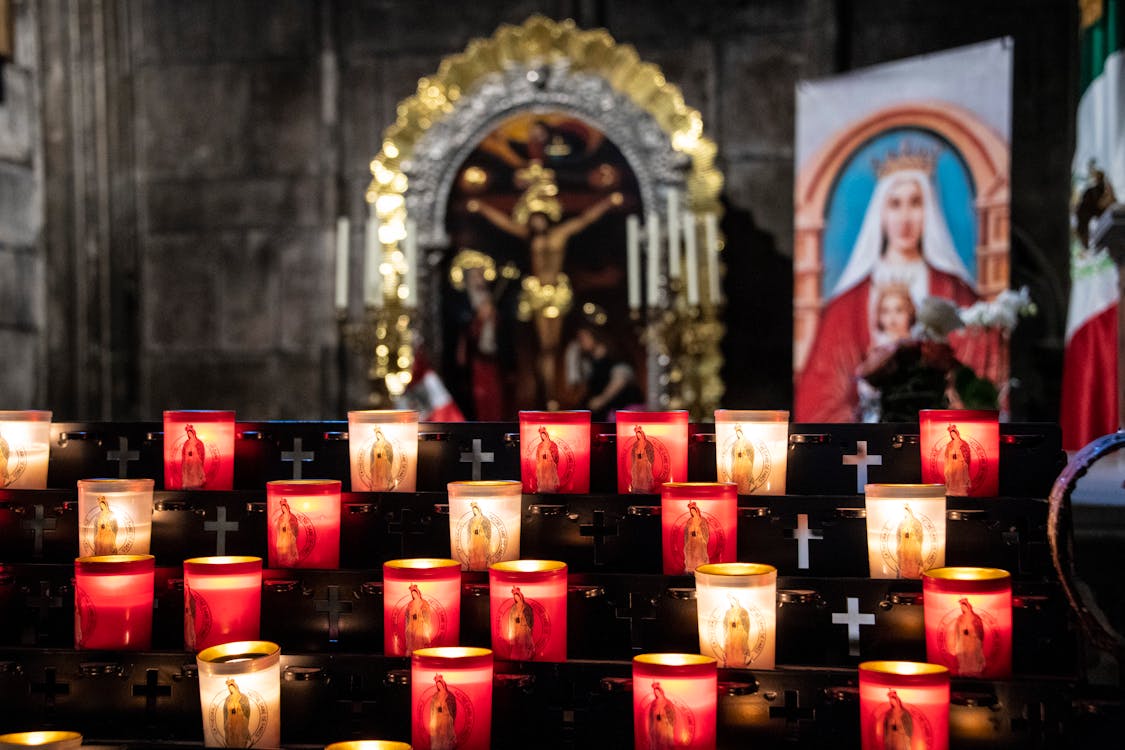
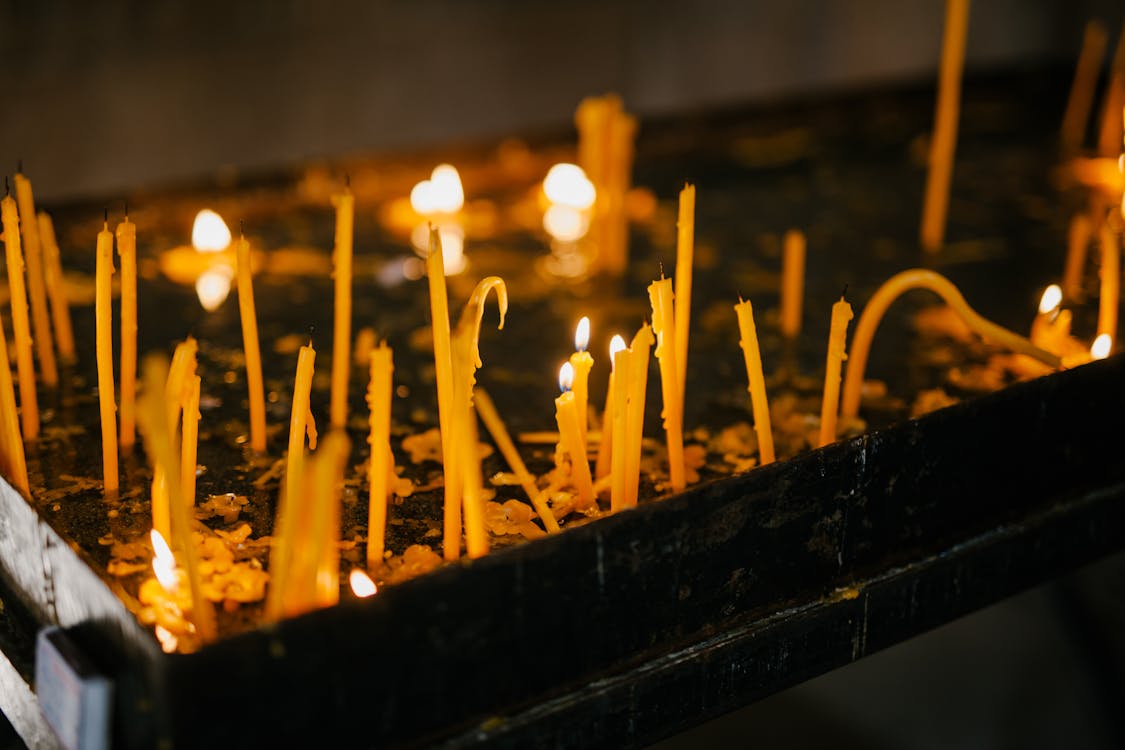
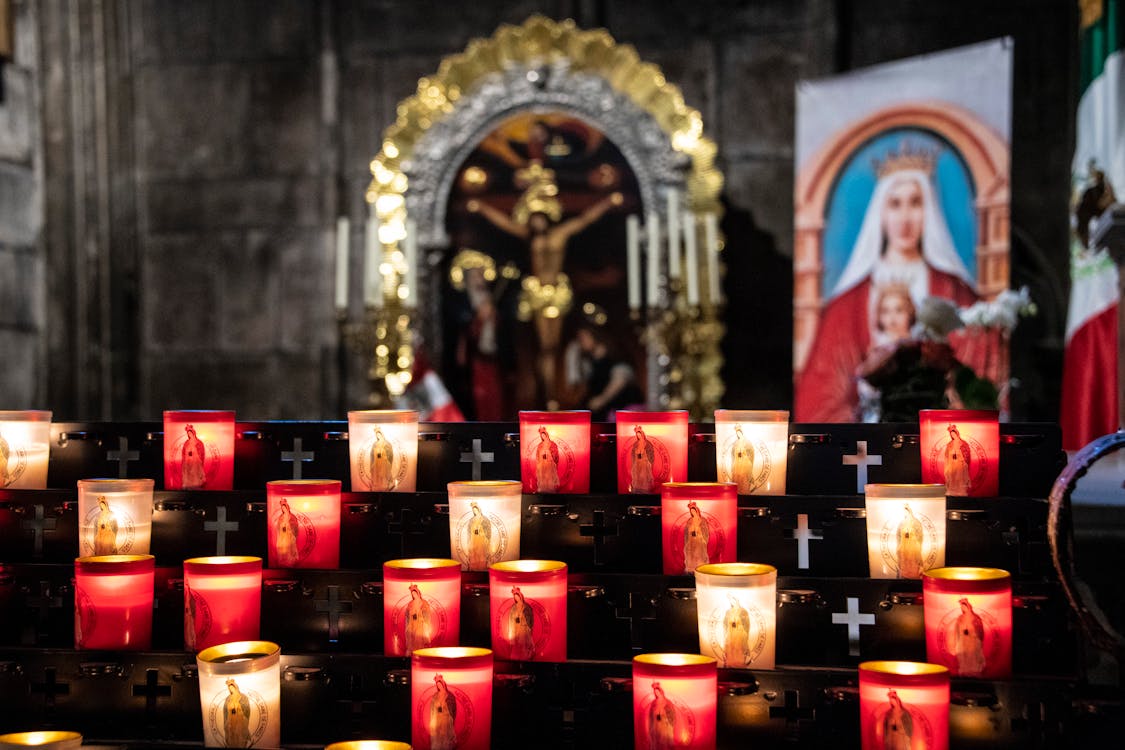
A diya (oil lamp) is lit near the head of the deceased and kept burning. Incense is burned, and a tulsi leaf (holy basil) or a few drops of Ganga jal may be placed in the mouth as a final sacred act.
Open Casket Viewing
An open casket is customary in Hindu tradition, allowing family, friends, and community members to pay their respects and see the deceased one final time. Flowers — particularly white marigolds, roses, or jasmine — are commonly placed around the body. Garlands may be draped over the deceased as a mark of honour.
In the UK, families will often work with a funeral director to facilitate a period of viewing either at home, at the funeral home, or at the place of worship before the cremation. It is worth discussing your wishes clearly with your chosen funeral director, as not all funeral homes have equal experience accommodating home visits or extended viewing arrangements.
The Antyesti: Hindu Funeral Rites Explained
The Antyesti is the collective term for the series of Hindu last rites. These rituals may vary by regional tradition (North Indian, South Indian, Gujarati, Punjabi, Tamil, and others all have their own customs), by caste, and by family preference. A Hindu priest (pandit) typically officiates, guiding the family through the appropriate prayers, mantras, and ritual acts.
The Funeral Procession
Traditionally, the body is carried from the home to the cremation ground in a procession, with mourners walking behind. In India, this would take place on a wooden bier. In the UK, the body is transported by hearse, but many families choose to walk a portion of the route as a mark of respect. The procession is often accompanied by the chanting of "Ram naam satya hai" ("The name of Ram is truth") — a reminder of the soul's journey to the divine.
Prayers and Mantras at the Crematorium
At the crematorium, the pandit will lead the family in prayers. The body may be placed with the head pointing south (the direction associated with Yama, the god of death). Mourners may walk around the body in a clockwise direction, paying their final respects.
Key rituals at this stage often include:
- The recitation of Vedic mantras and prayers for the soul's onward journey
- Offerings of flowers, rice, or sacred grass (kusha) placed on or near the body
- The application of vibhuti (sacred ash) or sandalwood
- Placing a clay pot of water near the body, which may be ritually broken
The Eldest Son's Role: Lighting the Pyre or Pressing the Button
In Hindu tradition, it is the responsibility of the eldest son (or nearest male relative if there is no son) to perform the act of cremation. In India, this means lighting the funeral pyre. In UK crematoria, this role is symbolically fulfilled by the eldest son pressing the button that commits the coffin to the cremator — an adaptation of the ancient tradition that carries equal spiritual weight for most Hindu families.
Some families recite the Agni (fire) mantras at this moment. The act is considered a final, sacred gift from child to parent — helping to release the soul from the body.
Hindu Cremation in the UK
Cremation is strongly preferred in Hindu tradition, as fire is considered a purifying force that releases the soul from the physical body. Burial is very rarely chosen, though it may be practised in some specific circumstances (for example, for very young children or certain holy figures).
Cremation at a UK Crematorium
The vast majority of Hindu funerals in the UK take place at municipal or private crematoria. Many crematoria in areas with significant Hindu communities — including in London, Leicester, Birmingham, Leeds, and Bradford — are experienced in accommodating Hindu funeral rites and can provide extended ceremony times, allow the use of incense, and facilitate the eldest son pressing the button. It is always worth asking the funeral director and crematorium in advance what can be accommodated.
Open-Air Cremation: Now Legal in the UK
For many Hindus, cremation in the open air — as practised on the ghats of rivers such as the Ganges in India — holds deep spiritual significance. Until relatively recently, this was not possible in the UK. However, following a landmark legal case, open-air cremations became lawful in England and Wales under the Cremation (England and Wales) Regulations.
In 2026, open-air cremations remain a specialist and logistically complex arrangement, but they are possible. The first legal open-air Hindu cremation in the UK took place in Northumberland, at a facility purpose-built for this practice. Families wishing to explore this option should seek a funeral director with specialist knowledge of open-air cremation arrangements, as the logistics, permissions, and costs differ significantly from a standard cremation.
It is important to note that open-air cremations must take place at an approved site; they cannot be arranged in a private garden or on public land.
Scattering Ashes in the UK and in India
After cremation, the ashes (asthi) are traditionally immersed in a sacred river — ideally the Ganges at Varanasi, Haridwar, or Allahabad. Many Hindu families in the UK arrange for ashes to be taken to India for this purpose. Others scatter ashes in UK rivers or the sea; while there are no specific laws banning this, you should avoid scattering near water intakes and it is considered courteous to inform the relevant authority (such as the Environment Agency) if scattering in a river.
The Mourning Period: Shraddha and the 13 Days
Hindu mourning traditions are structured and purposeful. The immediate mourning period typically lasts 13 days, during which the family observes certain rituals and restrictions.
The 13-Day Mourning Period
- Days 1–10: The family is considered to be in a state of ritual impurity (sutak). During this time, family members may avoid cooking (food is brought by the community), attending temples, or participating in religious ceremonies.
- Day 10 or 11: A ritual bath is taken to mark a transition out of this period.
- Day 13 (Tervi): A gathering is held — family and community come together for prayers, scripture readings, and a communal meal. This marks the formal end of the immediate mourning period and is an important community occasion.
Shraddha Ceremonies
The Shraddha is a series of rituals performed to honour and nourish the soul of the deceased on its journey. These may be performed at various intervals — on specific days during the 13-day period, then monthly, and finally at the annual Pitru Paksha (ancestral fortnight). A pandit typically guides the family through these rites, which involve offerings of food, water, and prayers.
What Non-Hindu Attendees Should Know
If you have been invited to a Hindu funeral or the associated mourning gatherings, it is natural to feel uncertain about etiquette. Here is a simple guide:
- Dress modestly: Wear subdued, conservative clothing. White is traditionally the colour of mourning in Hindu culture; avoid bright colours, especially red. Remove shoes when entering the family home or place of worship.
- Be respectful of the open casket: It is appropriate to view the body and pay your respects. A gentle bow or placing hands together (namaste) is a respectful gesture.
- Follow the lead of family members: If you are unsure whether to participate in a ritual or prayer, observe what others are doing and follow respectfully. It is never offensive to observe quietly.
- Do not bring flowers without checking first: Flowers are welcome, but certain types are more appropriate than others. White flowers are generally safe; the family may have specific preferences.
- Food and refreshments: At the Tervi gathering, food will be served. Many Hindu families will offer vegetarian food at mourning gatherings. Accept graciously.
- Offer practical support: During the 13-day mourning period, bringing food to the family is a deeply appreciated gesture.
Arranging a Hindu Funeral in the UK: Practical Steps
Arranging a funeral is always a challenging task, and arranging one that properly honours Hindu traditions requires additional planning and communication. Here is a step-by-step overview:
- Register the death: In England and Wales, a death must be registered within five days at the local register office. You will need the Medical Certificate of Cause of Death from the attending doctor or hospital.
- Contact a funeral director promptly: Hindu tradition generally calls for cremation as soon as possible after death — ideally within 24 hours, though this is rarely achievable in the UK due to legal and administrative requirements. A good funeral director will do everything possible to minimise delays. Find an NAFD-accredited funeral director near you who has experience with Hindu funeral arrangements.
- Arrange a pandit: Your family, community, or local temple will be able to recommend a priest to officiate. Discuss the specific rituals your family wishes to observe so that the funeral director and crematorium can plan accordingly.
- Discuss all requirements with the crematorium: Ask specifically about: extended ceremony times, the ability to burn incense, the eldest son pressing the button, open-casket viewing, and any other specific needs.
- Plan the Tervi gathering: This is an important community event. Consider venue, catering (typically vegetarian), and invitations.
- Consider ashes arrangements: Decide in advance whether ashes will be scattered in the UK, taken to India, or kept. Your funeral director can advise on the practical steps involved in each option.
Understanding Costs
The cost of a Hindu funeral in the UK will vary depending on location, the crematorium chosen, and any specialist requirements such as open-air cremation. As a guide, a standard funeral in the UK in 2026 typically costs between £3,500 and £6,000 or more, depending on the funeral director, location, and services chosen. Use our funeral cost calculator to get an indicative figure for your area.
Finding a Funeral Director Experienced in Hindu Funerals
Not all funeral directors have equal experience with Hindu funeral traditions. When choosing a funeral director, it is worth asking directly:
- Have you arranged Hindu funerals before?
- Are you familiar with the Antyesti rituals and the role of the pandit?
- Can you facilitate home visits for the body to be prepared by the family?
- Can you arrange for the body to be kept without embalming if the family prefers?
- Are you able to work with the crematorium to accommodate extended ceremony times?
NAFD-accredited funeral directors across the UK are bound by a strict Code of Practice, which includes a commitment to respecting the religious, cultural, and personal wishes of every family they serve. Choosing an NAFD member gives you the assurance that your family's traditions will be treated with knowledge and care — and that there is an independent Funeral Arbitration Scheme to turn to if anything falls short of the standard you deserve.
In cities and towns with large Hindu communities — including Leicester, Birmingham, Harrow, Wembley, Bradford, and Southall — you will find funeral directors with particular depth of experience in Hindu funeral arrangements. Our directory allows you to search by location and filter for cultural and religious specialism.
Find an NAFD-accredited funeral director experienced in Hindu funerals near you →