
Scattering a loved one's ashes can be one of the most personal, moving acts of remembrance a family can make. Whether you're drawn to a windswept hillside, a favourite beach, or the quiet of a garden of remembrance, choosing the right place — and understanding the rules — helps you give this moment the care and dignity it deserves.
Each year in the UK, around 80% of people who die are cremated, and for many families, scattering ashes forms an important part of the farewell. This guide covers everything you need to know: the legal position, the most popular locations, the Environment Agency's rules for water, and ideas for making the ceremony truly meaningful.
Is Scattering Ashes Legal in the UK?
The short answer is yes — but with some important caveats. There is no specific law in England, Scotland, or Wales that makes scattering ashes illegal. However, that doesn't mean you can scatter anywhere without thought or permission.
The Landowner Permission Rule
The key principle is simple: if you don't own the land, you should seek the landowner's permission first. This applies to fields, parks, hillsides, roadsides, and any other private or public land. In practice, many landowners and local authorities are sympathetic and will grant permission when asked respectfully. Approaching a land manager or local council directly is usually straightforward.
Scattering ashes without permission is not a criminal offence in most circumstances, but it could potentially be treated as littering or cause distress if witnessed unexpectedly. Seeking permission is always the respectful and recommended approach.
What About Scotland and Northern Ireland?
In Scotland, the legal position is broadly similar — no specific prohibition exists, but landowner consent is advisable. Northern Ireland follows comparable guidance. If you are in any doubt, your /find-a-funeral-director/ NAFD-accredited funeral director can advise on local arrangements.
Environment Agency Rules for Scattering Ashes in Water
If you're considering scattering ashes in a river, lake, or the sea, the Environment Agency (EA) has specific guidance you must follow in England. Equivalent bodies apply in Scotland (SEPA) and Wales (Natural Resources Wales).
Rivers and Inland Waters
- You must notify the Environment Agency before scattering ashes in any inland waterway (rivers, streams, canals, or lakes).
- Notification is free and can be done online or by phone. The EA will acknowledge your request and may advise on specific locations to avoid (such as drinking water abstraction points).
- Ashes should be scattered directly into the water, not in their plastic container or bag.
- Choose a spot away from fishing areas, swimming spots, or places where people may be eating or drinking near the water.
- There is no fee for notifying the EA, but you should allow a few days for a response before the planned ceremony.
Scattering Ashes at Sea
Scattering ashes at sea is one of the most popular choices in the UK, and the rules are relatively straightforward:
- There is no legal requirement to notify any authority if scattering beyond the low-water mark at sea.
- Ashes must not be enclosed in any non-biodegradable container — remove them from any plastic bag or urn before scattering.
- If using a boat or charter vessel, ensure the captain is aware and that all safety regulations are followed.
- Biodegradable urns designed for water scattering are widely available and can make the process more graceful, particularly in choppy conditions.
Where Can You Scatter Ashes? Popular Locations
Choosing a location is deeply personal, and the best place is often one that held special meaning for the person who has died. Here are the most popular options UK families choose.
Gardens of Remembrance at Crematoria
Most crematoria in the UK have a dedicated garden of remembrance where families can scatter ashes. This is often the most accessible choice — the crematorium manages the land, so there are no permission issues, and the setting is specifically designed for peaceful reflection. You can usually arrange a small, private ceremony with the crematorium's staff. Ask when you collect the ashes whether this is available, and whether a memorial plaque or entry in a book of remembrance can be arranged alongside.
The Family Garden
Scattering ashes in a private garden is entirely lawful — you own (or rent) the land, and no additional permission is needed. It's worth being aware, however, that if you later move house, you cannot take scattered ashes with you. For some families this feels meaningful; for others it can be a source of later regret. Think carefully about whether this connection to a specific address feels right long-term.
The Countryside, Mountains, and Hills
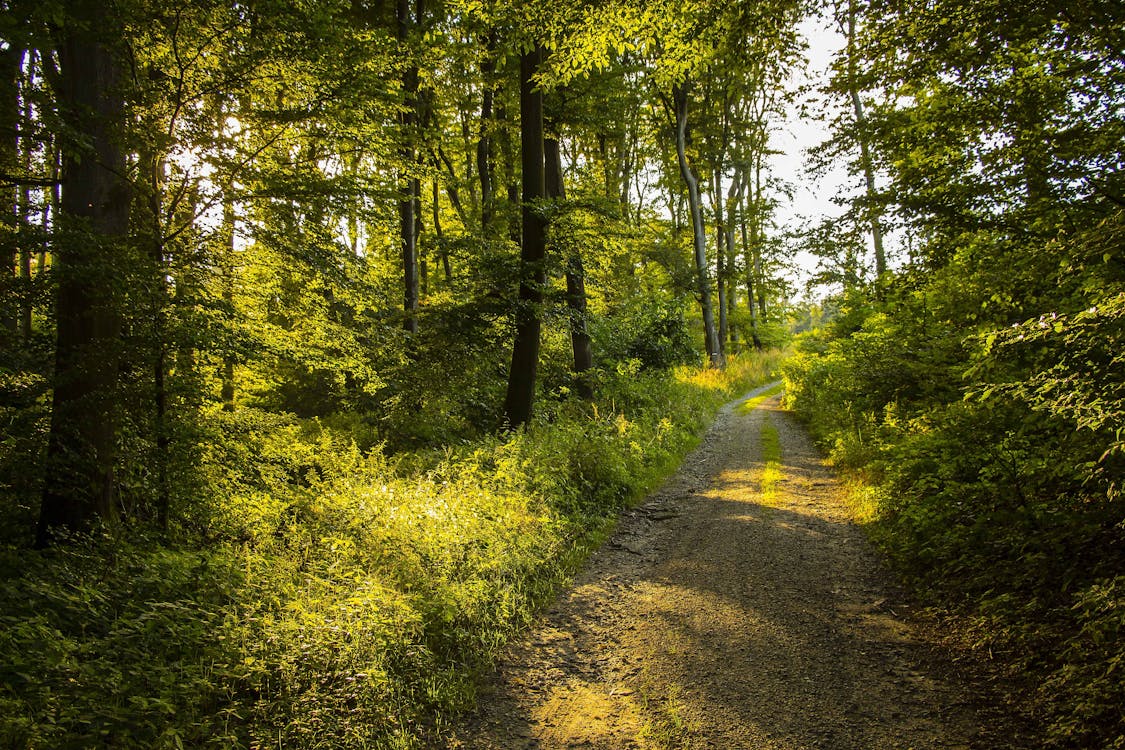
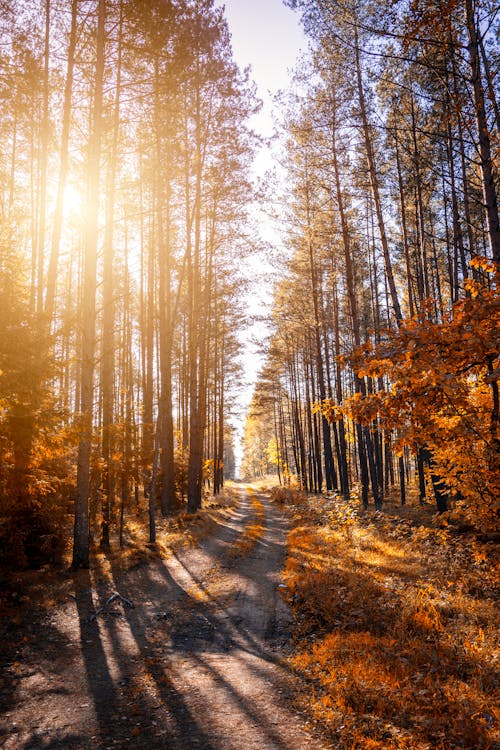
From the Lake District to the Scottish Highlands, many families choose a meaningful outdoor landscape. Popular choices include hilltops, moorland, woodland, and coastal paths. If the land is National Trust or National Park-managed, contact them in advance — many have clear, sympathetic policies for ashes scattering. The National Trust, for example, has a process for applications, and many rangers are experienced in supporting families with this request.
The Sea and Beaches
Coastal scattering is deeply symbolic and enduringly popular. For beach scattering below the high-water mark (where the sea regularly reaches), no specific permission is typically needed as this is Crown land managed by The Crown Estate. For scattering from a vessel at sea, biodegradable wreath rings or flower petals can be added to create a beautiful, natural ceremony.
Football Grounds and Sports Venues
Many families wish to scatter a loved one's ashes at the stadium or sports ground that meant so much to them. Most Premier League and Championship clubs now have formal processes for this — contact the club's community or supporter liaison office directly. Some clubs charge an administration fee; others offer this as a free service to families of supporters. It's always worth asking, even for smaller local clubs and venues.
Other Favourite Places
Pubs, golf courses, allotments, nature reserves, racecourses — the list of meaningful places is as individual as each life lived. The common thread is always to seek permission in advance, explain your wishes sensitively, and be prepared that not every venue will say yes. A letter or email explaining the significance of the location often helps enormously.
Planning a Scattering Ceremony
A scattering of ashes doesn't need to be a formal, choreographed event — but giving it some thought in advance helps the moment feel intentional rather than rushed.
Practical Steps to Organise
- Obtain the ashes — Ashes are returned to the family in a sealed container, usually by the crematorium or your funeral director. You'll receive a certificate of cremation, which some locations may ask to see.
- Choose your location and get permission — Contact the landowner, venue, or authority well in advance. Keep any written permissions you receive.
- Notify the Environment Agency if scattering in inland water — Do this at least a few days before your planned date.
- Decide who will be present — This can be just one person or a gathering of family and friends. There are no rules.
- Plan any words, music, or readings — A poem, a piece of music played on a phone, or simply a few spoken words can transform a simple scatter into a ceremony.
- Consider the weather and conditions — Check the wind direction before scattering — ashes are light and can blow back unexpectedly. Scattering with the wind (or into moving water) is usually best.
- Think about timing — Dawn, dusk, or a time of day that held significance for your loved one can add meaning.
Ideas to Make It Meaningful
- Ask each person present to bring a flower to lay or cast into water alongside the ashes.
- Release biodegradable seed paper or wildflower seeds in the same location — over time, these create a living memorial.
- Play a favourite song on a portable speaker.
- Read a poem or a passage that captures your loved one's spirit.
- Share a memory aloud — invite anyone present to speak if they wish, with no pressure on anyone.
- Take a photograph of the location to keep as a reminder of the moment.
Should You Keep Some of the Ashes?
There is no legal requirement to scatter all the ashes at once, or at all. It is perfectly lawful — and increasingly common — to divide ashes between family members, scatter some and keep some, or retain them indefinitely.
Many families choose to keep a portion of ashes in a beautiful keepsake urn at home. Others have a small amount incorporated into jewellery — glass pendants, memorial diamonds, or pressed into vinyl records are all options now available in the UK. Some people choose to plant a memorial tree with ashes incorporated into the soil at its roots.
If ashes are to be divided and sent to different family members — for example, those living in different parts of the country — they can be sent by post using Royal Mail's Special Delivery service, provided they are securely packaged. Check Royal Mail's current guidelines before doing so.
Memorial Options After Scattering
Scattering ashes doesn't mean there is nowhere to return to or nothing tangible to hold on to. Many families combine a scattering with one or more lasting memorials:
- A bench or tree dedication — Many parks, gardens, and National Trust properties offer memorial bench or tree dedications near areas where ashes have been scattered.
- A plaque in a garden of remembrance — Most crematoria offer plaques or memorial stones even if the ashes were scattered elsewhere.
- An online memorial — A dedicated memorial website or page can serve as a lasting, accessible tribute for family and friends near and far.
- A book of remembrance — Many crematoria and churches maintain beautiful illuminated books of remembrance with annual entries on the anniversary of death.
- Memorial jewellery — A small portion of ashes can be set into glass, resin, or even transformed into a gemstone by specialist UK companies.
How an NAFD Funeral Director Can Help
Navigating the practicalities of scattering ashes — from obtaining permissions to organising a ceremony — can feel overwhelming when you are already grieving. An /find-a-funeral-director/ NAFD-accredited funeral director can guide you through every step, from collecting the ashes and advising on suitable locations to helping you plan a scattering ceremony that truly reflects your loved one's life.
NAFD member funeral directors are bound by a strict Code of Practice and offer independent arbitration if you ever have a concern. That means genuine, accountable care — not just promises.
Whether you are in the early stages of planning a funeral or simply need advice about what happens after cremation, our network of 4,000+ trusted funeral homes across the UK is here to help.
/find-a-funeral-director/ Find an NAFD-accredited funeral director near you today.