What Is a Woodland Burial Ground?
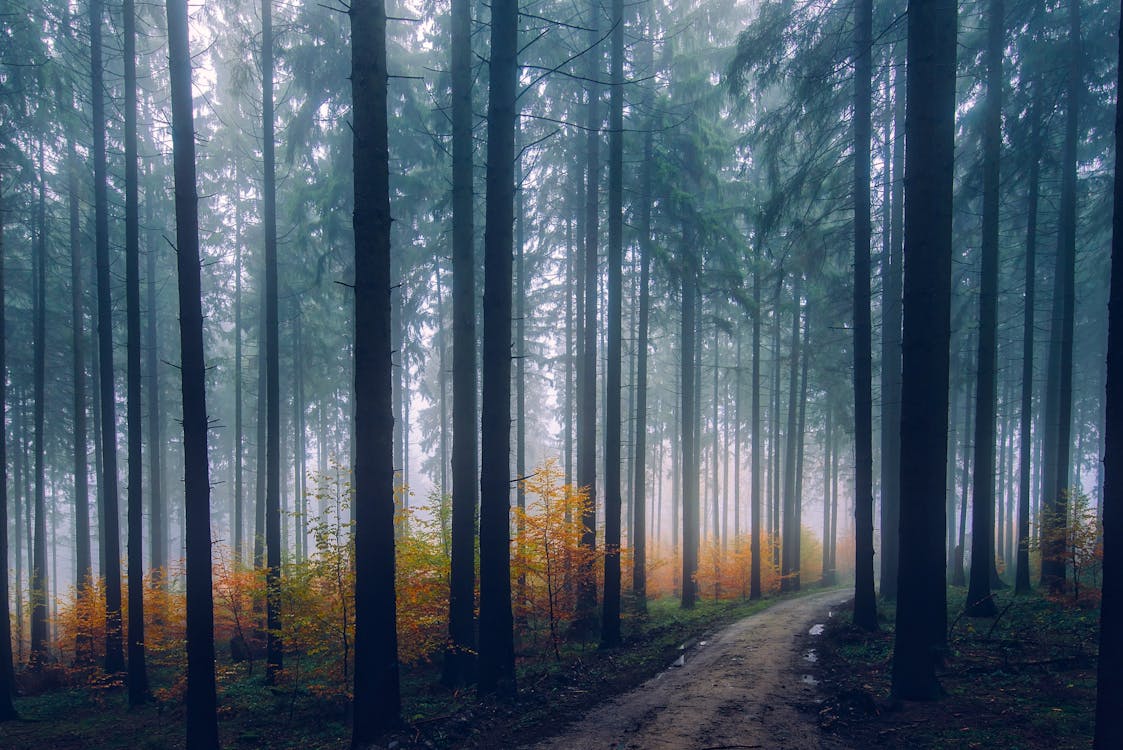
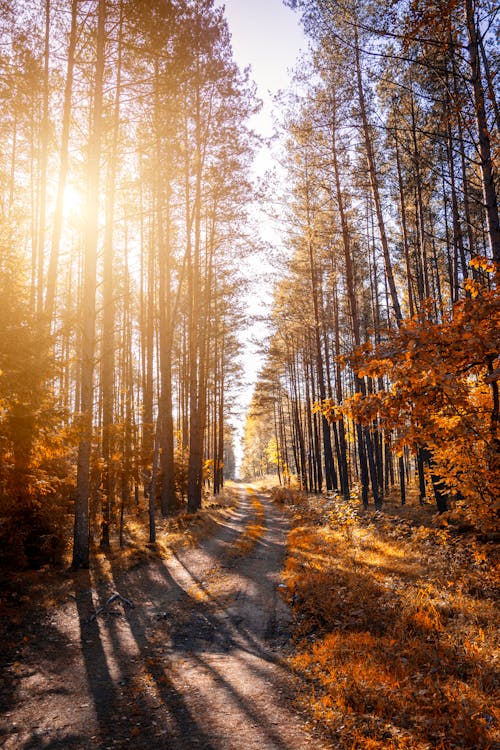
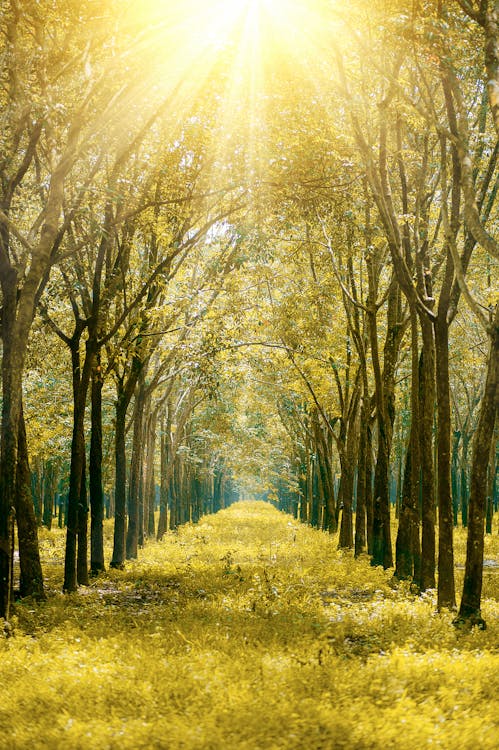
A woodland burial ground — sometimes called a natural burial ground — is a specially designated site where people are buried in a way that works with the natural environment rather than against it. Instead of a traditional cemetery with granite headstones, manicured grass, and concrete foundations, a woodland burial ground is shaped by meadows, native trees, wildflowers, and birdsong.
The idea is beautifully simple: the body is returned to the earth as gently as possible, with minimal intervention. No embalming chemicals, no concrete grave liners, no permanent stone markers. In their place, a native tree, a wildflower meadow, or a simple wooden post marks where a loved one rests — and over time, that marker becomes part of a living, breathing landscape.
Woodland burial has grown significantly in the UK since the first natural burial ground opened in Carlisle in 1993. Today, there are more than 270 natural burial grounds across England, Scotland, Wales, and Northern Ireland, managed by a mix of private operators, charities, local authorities, and farmers. For many families, it offers a meaningful, personal, and environmentally responsible alternative to conventional burial or cremation.
How Does a Woodland Burial Work?
The Burial Process
In most respects, the practical and legal steps involved in a woodland burial are the same as any other burial in the UK. A death must be registered, a burial order (or, in Scotland, a certificate of burial or cremation) must be obtained, and a funeral director can help coordinate every aspect of the arrangements.
What differs is what happens at the graveside and the materials used:
- Biodegradable coffins or shrouds: Most woodland burial grounds require — and all reputable ones encourage — the use of a coffin or container made from natural, biodegradable materials. Willow, bamboo, seagrass, cardboard, and untreated softwood are all popular choices. Wicker baskets and simple linen or wool shrouds are also accepted at many sites. The aim is that the container breaks down naturally in the soil, allowing the body to decompose and nourish the surrounding ecosystem.
- No embalming (usually): Many woodland burial grounds ask that embalming chemicals are not used, as these can harm the soil environment. If a family wishes the body to be preserved for a period — perhaps for viewing or if there is a delay before the funeral — a funeral director can discuss alternatives such as refrigeration or dry ice.
- No concrete grave liners: Unlike many municipal cemeteries, woodland burial grounds do not use concrete vaults or grave liners, allowing natural decomposition.
- A natural grave marker: Rather than a carved headstone, graves are typically marked by a native tree sapling, a wildflower planting, a simple wooden post, or recorded by GPS coordinates. Some sites offer engraved natural stone that blends with the landscape. The specific options vary by site, so it is worth asking exactly what is available when you visit.
The Funeral Service
A woodland burial can be just as personal and meaningful as any other funeral. Families can hold a religious or civil ceremony at a chapel, place of worship, or crematorium beforehand, or choose to hold the service entirely at the graveside. Many families find that the natural setting of a woodland burial ground lends itself particularly well to informal, personal, and deeply moving ceremonies.
There are no rigid rules about music, readings, or rituals — the woodland setting often encourages a more relaxed, individual approach. A celebrant, humanist officiant, or religious minister can all lead the service.
Finding a Woodland Burial Ground Near You
The Association of Natural Burial Grounds (ANBG) is the primary membership body for natural burial ground operators in the UK. Founded in 1994, the ANBG promotes good practice, environmental standards, and consumer protection across the sector. Choosing an ANBG-registered site gives families confidence that the ground meets recognised standards for land management, transparency, and long-term maintenance.
When searching for a woodland burial ground, consider the following practical steps:
- Search by location: Use the ANBG's online directory or speak to a local funeral director, who will know the natural burial sites in your area. /find-a-funeral-director/
- Visit in person: A good woodland burial ground will always welcome families for a visit before they commit. Walk the site, ask about its management and long-term future, and get a feel for whether it is somewhere you could return to.
- Ask the right questions: How long has the site been operating? Who manages it long-term? What happens if the operator changes? Is the land protected from development? What grave markers are permitted? How will your loved one's plot be recorded and located in future?
- Check for a management plan: Reputable sites have a clear plan for the land's long-term care, often involving charitable trusts or legal covenants that protect it from future development.
Your local /find-a-funeral-director/ NAFD-accredited funeral director can help you identify suitable woodland burial grounds in your area and will have experience working with specific sites — which can be enormously reassuring during an already difficult time.
How Much Does a Woodland Burial Cost?
Woodland burial is often — though not always — less expensive than a traditional burial, primarily because simpler coffins and fewer formal trappings are involved. However, costs vary considerably depending on the site, the region, and the specific options chosen.
Typical Cost Breakdown in 2026
- Plot fee: Between £1,000 and £3,500, depending on location and the type of plot (individual, couple, or family). Some sites in more rural or less accessible areas may be lower; others in the South East or on premium private estates can be higher.
- Biodegradable coffin: Willow and seagrass coffins typically cost between £400 and £1,200. Cardboard coffins can be as low as £100–£200. A simple shroud may cost £100–£400.
- Funeral director fees: These vary widely but typically range from £1,000 to £3,500 or more, depending on the level of service and the distance involved.
- Grave marker: A native tree sapling or wildflower planting is often included in the plot fee, or costs a modest additional amount. Engraved natural stone markers are typically £200–£600 extra.
- Ceremony costs: A celebrant or officiant typically charges between £150 and £400.
As a broad guide, the total cost of a woodland burial — including funeral director fees — often falls somewhere between £2,500 and £6,000, though this can vary significantly. For comparison, the average cost of a traditional burial in the UK in 2026 (including funeral director fees, burial plot, and memorial) is typically in the range of £5,000–£9,000 or more.
Use our /funeral-cost-calculator/ to get a clearer sense of costs in your area.
Reserving a Plot in Advance
One of the most thoughtful things a person can do — and increasingly, something more people are choosing — is to reserve a woodland burial plot in advance. This is sometimes called a pre-purchased or pre-reserved plot.
Reserving in advance means:
- Your wishes are clearly recorded and known to your family
- You can choose your preferred location within the site
- Your family is spared the pressure of making this decision at a difficult time
- You can lock in the current plot price, protecting against future increases
Many woodland burial sites allow you to visit, walk the ground, and reserve a specific plot that feels right to you. Some families choose adjacent plots so they may one day rest side by side, with two trees growing together overhead.
If you are planning ahead, it is sensible to keep a clear written record of your wishes — including the site name, location, any plot reference number, and contact details — and to share this with a trusted family member or solicitor. A pre-paid funeral plan through an NAFD-accredited funeral director can also help ensure your wishes are carried out and costs are covered. /find-a-funeral-director/
Visiting and Tending the Grave
One of the most common concerns families have about woodland burial is whether they will be able to visit and feel a connection to their loved one's resting place. The answer is yes — and for many, visiting a natural burial ground becomes a genuinely restorative experience.
Most woodland burial grounds are open to visitors during daylight hours throughout the year. Families are typically welcome to sit quietly by the grave, walk the paths, and watch the seasons change around them.
What you can bring and do at the grave will depend on the site's rules, which exist to protect the natural environment:
- Flowers: Many sites permit natural, biodegradable flowers — fresh-cut stems rather than plastic-wrapped bouquets. Potted plants or non-native flowers may not be permitted.
- Mementos: Small natural items such as pebbles or handwritten notes on biodegradable paper may be welcome; plastic, glass, or artificial items usually are not.
- The tree or planting: In the early years, some sites ask families not to tend the grave tree, allowing it to establish naturally. Others welcome gentle watering or care. Always ask the site manager.
Many families describe visiting a woodland burial ground very differently from visiting a traditional cemetery — as a place that feels alive and hopeful, connected to the rhythms of nature, rather than one of permanence and stone.
The Environmental Benefits of Woodland Burial
For many people, the decision to choose woodland burial is rooted in a desire to leave the world a little better than they found it. The environmental credentials of natural burial are genuine and meaningful:
- Carbon sequestration: Every tree planted as a grave marker actively absorbs carbon dioxide from the atmosphere over its lifetime.
- Habitat creation: Natural burial grounds become important sanctuaries for wildlife — insects, birds, small mammals, and wildflowers. Many sites have been formally recognised for their biodiversity value.
- No toxic chemicals: The avoidance of embalming fluids and the use of biodegradable materials means no harmful substances enter the soil or groundwater.
- Land conservation: Natural burial grounds permanently protect land from development, creating green spaces of lasting community and ecological value.
- Lower carbon footprint: Biodegradable coffins have a significantly lower embodied carbon than traditional hardwood or MDF coffins, and the absence of a concrete grave liner further reduces environmental impact.
By comparison, a traditional burial with a varnished hardwood coffin, concrete grave liner, and granite headstone involves considerably more energy, materials, and chemical inputs. Cremation, while requiring less land, involves significant energy use and produces carbon dioxide, mercury (from dental fillings), and other emissions — though modern crematoria increasingly use energy recovery and filtration systems.
The Association of Natural Burial Grounds
The Association of Natural Burial Grounds (ANBG) was established in 1994 and remains the principal trade and standards body for the sector. Membership of the ANBG requires operators to meet standards relating to:
- Environmental management and land stewardship
- Transparency of pricing and contractual terms
- Long-term site security and management planning
- Consumer rights and complaint handling
When visiting or researching a site, look for the ANBG logo and ask whether the operator is a current member. This is an important safeguard, as not all natural burial grounds operate to the same standards.
Alongside the ANBG, the National Association of Funeral Directors (NAFD) provides an additional layer of protection for families. NAFD-accredited funeral directors work to a strict Code of Practice, offer transparent pricing, and have access to the independent Funeral Arbitration Scheme. When arranging a woodland burial, working with an NAFD member ensures that both the funeral and the burial arrangements are handled with professionalism, care, and accountability.
Is a Woodland Burial Right for You or Your Family?
Woodland burial is not the right choice for everyone, and there is no single correct way to honour a life. But for those who feel a deep connection to the natural world, who want their death to contribute something positive to the environment, or who simply prefer a gentler, less formal farewell, a natural burial ground can be a profoundly fitting resting place.
It is worth having an open conversation with your family — and with a funeral director — about all the options available. A good funeral director will never steer you towards a particular choice; they will help you explore what feels right for you and the person you have lost.
If you are considering a woodland burial for a loved one who has just died, or planning ahead for yourself, we are here to help you find the right support close to home.
/find-a-funeral-director/ Find an NAFD-accredited funeral director near you — every member of our network abides by a strict Code of Practice and is committed to helping families make truly informed choices.